
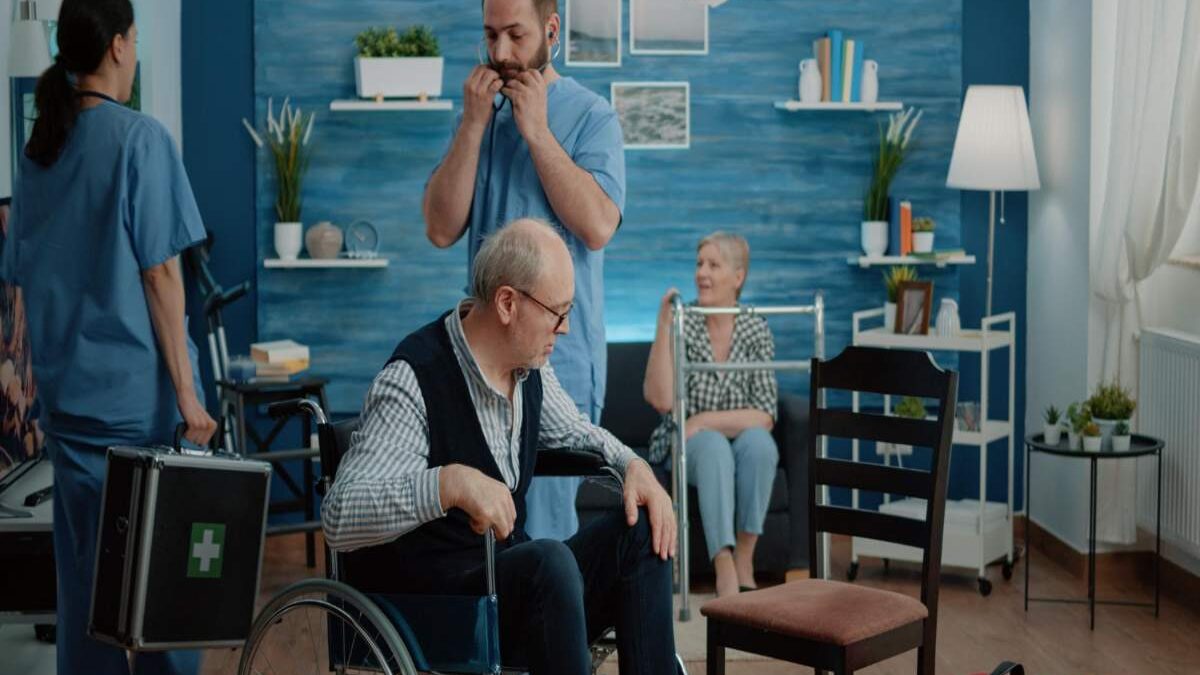
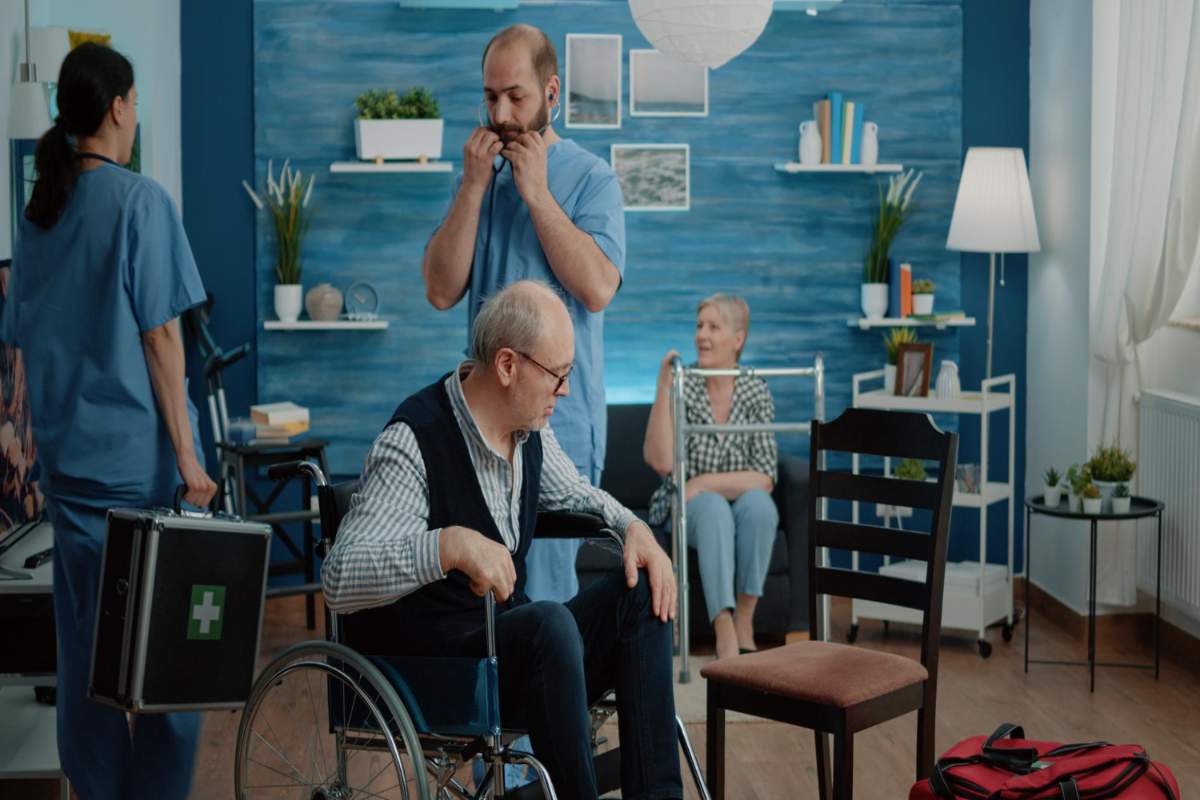
Many discussions concerning staying in the same place as one gets older typically focus on technical solutions such as installing grab bars or a ramp, along with perhaps purchasing a medical alert device. While these are important components, they alone cannot ensure senior safety or well-being. Community, connectedness, and engagement form the cornerstone of successful and happy aging in place. Of course, most older adults ideally want to reside in their own home, but they also need to stay engaged with the world around them. This need can be challenging to incorporate if mobility or other issues are present, but community support and connectedness can often provide solutions to this problem.
Table of Contents
Start with the Danger Zones, not the Whole House
An overall safety audit is great, but the bathroom and kitchen are key. What are the likeliest spots for falls? Where do normal tasks unconsciously carry the most physical risk? Wet bathrooms and poorly lit kitchens – exactly the same when you’re 85 as when you were 55.
Risk in the bathroom is predictable: it’s wet, you have to bend to use low fixtures, and there’s often little room to right yourself if you start to tip. This isn’t an argument for a fancy walk-in hydrotherapy chamber; grab bars beside the toilet and inside the shower aren’t a lifestyle choice, they’re structural priorities. Non-slip mats that are stuck to the floor (never loose bath rugs that shift), a handheld showerhead, and a solid bench in the shower/tub you can push off from are all simple and relatively cheap additions.
The kitchen is less obvious. Danger comes from reaching, bending low to get at stuff in back cabinets, and handling hot items while doing all of the above. Reducing risk can be as simple as relocating the most commonly used items to waist height – no dramatic redesign necessary.
Better lighting is rarely an over-the-top suggestion for any room. An over-the-stove microwave to help eliminate hot spills and lights on dimmer switches could be all you need. Some low-cost motion-sensing strips under the wall cabinets won’t just make it easier to find that can opener, it will permanently illuminate that difficulty many people face with declining vision (you get used to seeing less).
The Difference Between modifying a Home and Building a Safety Net
While structural changes provide a foundation, they can’t solve everything in isolation. A roll-in shower might reduce the chances of falls, but it won’t make a senior more sociable or ensure they’re eating properly when energy wanes. A stairlift eases mobility but doesn’t guarantee unsteady hands won’t leave the stove on.
Only the behavioral layer can provide those safeguards. It’s why you need both the physical and behavioral aspects to create a safe home. And why, despite all good intentions, no piece of technology can fully relieve you of the need for this second layer of support.
Technology fills Gaps that Hardware Can’t
Smart home technology has become so ubiquitous for this group as to nearly be considered necessary. Voice-activated assistants are already a huge help to people with mobility issues, a number that increases late in life, and allow seniors to adjust thermostats, turn lights on and off, and even lock the door without getting up. Smart thermostats also help ensure that the older adult isn’t overheated, or more likely, dangerously cold, as thermoregulation becomes less effective.
When Professional Support Becomes Necessary
In most aging-in-place situations, safety has reached as reasonably high a level as it can via home modifications and perhaps some additional tech, but risk remains. Daily activities like transferring from a bed to a chair, bathing safely, managing a meal when balance is unreliable, occasion the remaining risk. That’s where non-medical home care comes in.
Families are less clear at this junction what level of support is appropriate than they were about what kinds of modifications would help. They also don’t tend to be aware of local resources. For anyone considering Harrisburg senior assistance, particularly in the form of non-medical home care, locating a reputable provider who understands the range of ADL support and how to fit it in with what home modifications have already taken place is a great practical step.
Respite care is part of this as well. Family caregivers managing hands-on help day in and day out without a break are themselves a safety risk as exhaustion impacts both judgment and reaction time.
Have an Emergency Plan that’s Actually Usable
Ensure that important emergency contact information is not just stored in an individual’s memory. It is advised to have a printed contact list readily accessible. In addition, a small bag containing necessary medications, insurance cards, and a summary of physicians should be kept near the front door. Both the senior and at least two family members should be aware of the bag’s location and its contents.
The objective of aging in place is not to eliminate all risks. It is about handling risks appropriately to maintain actual independence, rather than just an illusion of independence.