
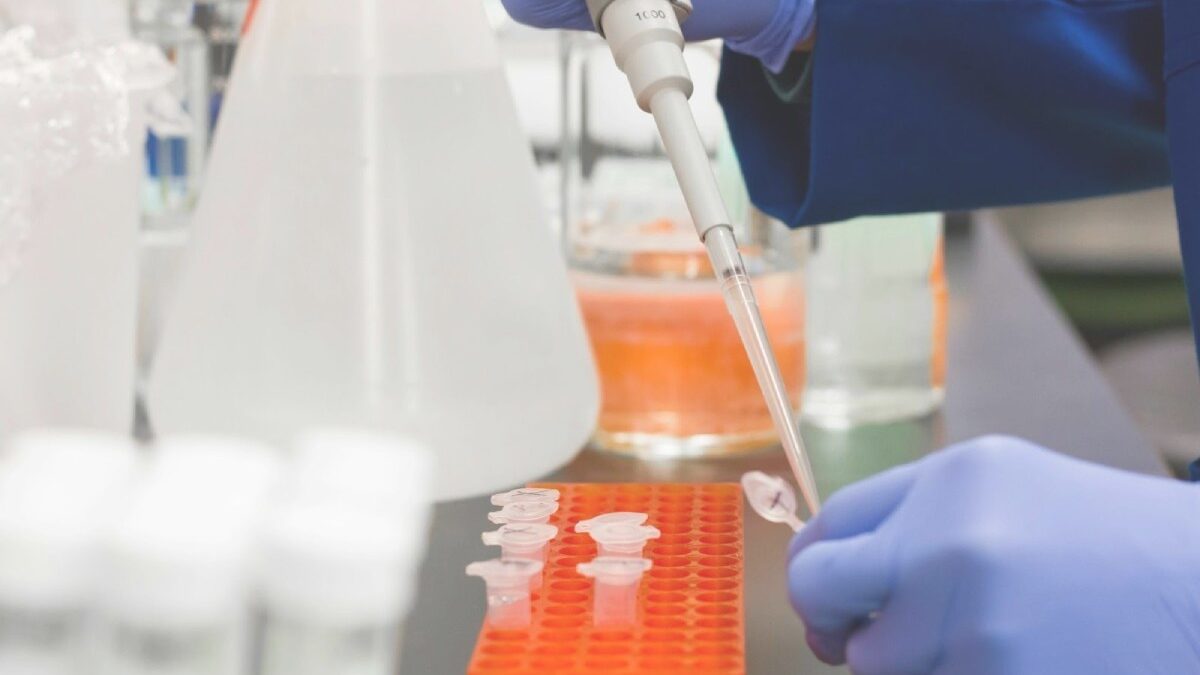
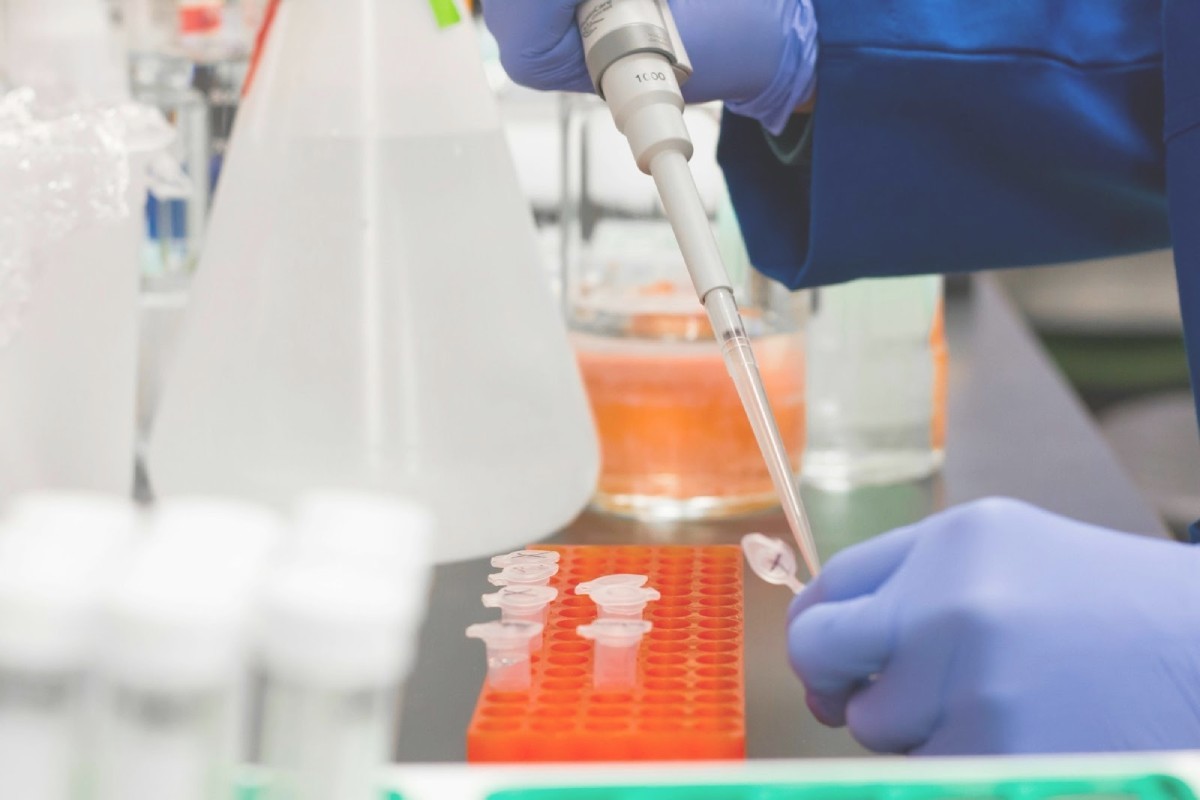
Every lab has them. Rows of pipettes lined up like soldiers. For decades, the skilled human hand was the gold standard. It measured, transferred, and mixed liquids. This manual work was the backbone of discovery. But modern science is changing. Experiments are becoming more complex. Volumes are getting smaller. The demand for perfect data is growing. The human hand, no matter how steady, has limits. This reality is pushing labs toward a critical upgrade. The era of pure manual pipetting is ending. A new essential tool is taking its place.
Table of Contents
The Rise of the Robot Assistant
The solution lies in liquid handling automation. Imagine a precise robotic arm. It works tirelessly. It transfers exact, tiny amounts of fluid without tiring. This technology is not new. But it is now more accessible and vital than ever. It moves beyond simple repetitive tasks. Modern systems can perform entire complex protocols. They do this from start to finish. This shift is transforming daily lab life. It is freeing scientists from the bench. It allows them to focus on what matters most: science.
Precision You Can Count On
Human error is a simple fact of biology. Repetitive strain leads to mistakes. A slight tremor changes a volume. A missed well ruins a plate. Fatigue causes costly inconsistencies. Automated systems eliminate this variability. They deliver the same exact volume every single time. They never get tired or distracted. This creates exceptional reproducibility. Experimental results become more reliable. Data integrity improves dramatically. Consistency is the foundation of good science. Automation provides a level of precision that is simply superhuman.
Unlocking Tiny Volumes and Big Screens
Science is moving toward the miniature. Experiments now use microliters or even nanoliters. Handling these volumes manually is incredibly challenging. It is often impossible. Liquid handling robots are built for this scale. They manage these tiny amounts with ease. This capability is essential for modern drug discovery and genomics. It enables high-throughput screening. Scientists can test thousands of compounds in a day. This scale and precision unlock new types of research. Manual methods could never keep pace.
A Shield Against Contamination
Cross-contamination is a silent enemy in the lab. It can invalidate months of work. Manual pipetting carries a constant risk. Aerosols can travel. Tips can drip. Automated systems are designed to prevent this. They use sterile, disposable tips. They follow clean paths between samples. Many have built-in UV decontamination lights. This creates a more sterile workflow. It protects precious samples. It ensures the purity of reactions. For sensitive work in cell biology or diagnostics, this protection is invaluable.
Freeing the Scientist’s Mind
The greatest cost in a lab is not reagents. It is skilled human time and intellectual energy. Manual pipetting is monotonous. It consumes hours of a researcher’s day. This is time not spent on analysis, design, or creative thinking. Liquid handling automation reclaims this time. It performs the tedious work overnight or over a weekend. Scientists return to find plates ready for analysis. This changes the research rhythm. It shifts the human role from operator to innovator. It boosts both morale and productivity.
The Data Connection
Modern automated systems are smart. They are not just moving liquids. They are integrated data hubs. Each action is digitally logged. Every volume and destination is recorded. This creates a perfect, auditable trail. It supports compliance in regulated industries. It also enables seamless integration with other lab instruments. Sample preparation connects directly to analyzers. This creates a smooth, digitized workflow. It reduces transcription errors and makes the entire process more efficient and transparent.
An Essential Investment
Some may see automation as a luxury. It is actually a strategic necessity. The initial investment pays for itself. It saves money on costly reagent waste from errors. It prevents the catastrophic cost of failed experiments. It maximizes the output of highly trained staff. In a competitive research landscape, speed and reliability are everything. Labs without automation will fall behind. They will struggle with scale and consistency. They will burn out their best people on repetitive tasks.
The Modern Lab, Redefined
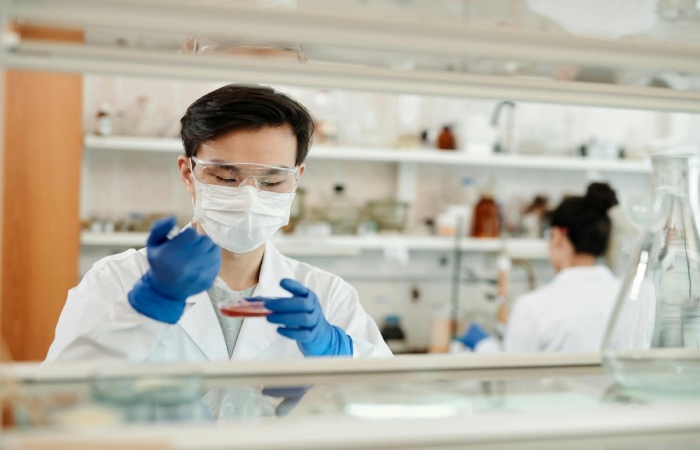
The modern lab is evolving. It is a place of advanced robotics and human ingenuity working together. Liquid handling automation is the bridge between these two forces. It handles the precise, repetitive work. This liberates scientists to solve bigger problems. It ensures that the data they work with is trustworthy. From academic labs to pharmaceutical giants, this technology is becoming as essential as the microscope once was. It is not about replacing scientists. It is about empowering them to do their best work, faster and with more confidence than ever before.