
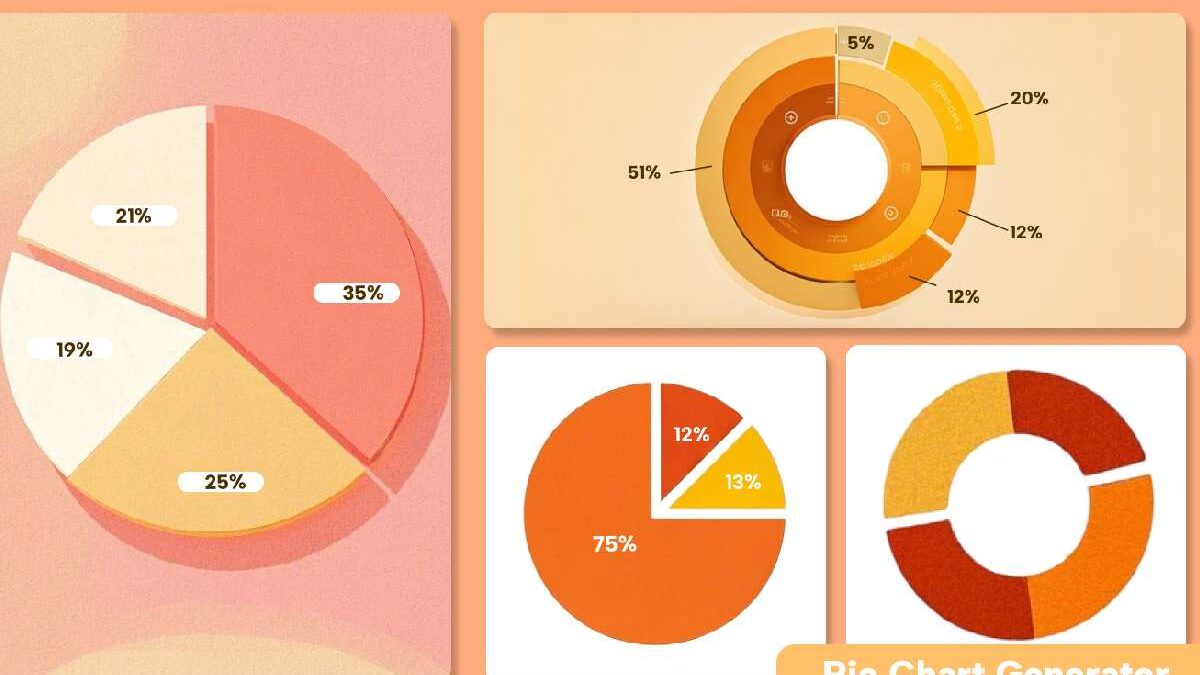
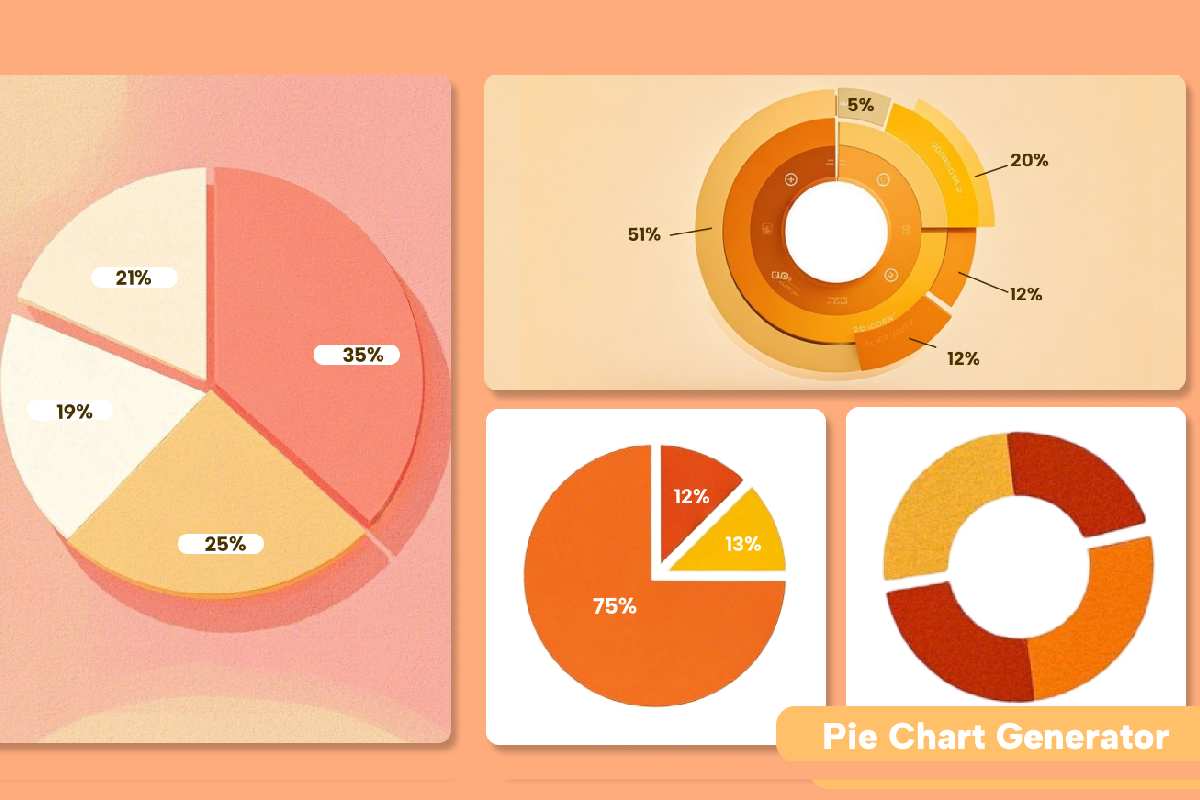
A pie chart generator is a practical tool that turns raw numbers into easy-to-understand visuals, helping people see proportions and relationships at a glance. In 2025, with data playing a bigger role in everyday decisions across business, education, personal finance, health tracking, and marketing, a pie chart generator makes it simple to create professional charts without complex software. Whether you are preparing a sales report, explaining budget splits to students, tracking household expenses, analyzing fitness progress, or showcasing campaign results, this tool lets you input numbers and get polished pie charts ready for presentations, reports, or social media. This guide explores how to use a pie chart generator for different purposes, covering business insights, classroom materials, personal budgeting, health monitoring, and marketing analysis, with step-by-step instructions, design tips, and real-world examples to help you communicate data more effectively.
From quarterly business reviews to school projects or daily habit trackers, a pie chart generator turns numbers into stories that are quick to read and easy to remember.
Table of Contents
Business Applications of a Pie Chart Generator
In business settings, a pie chart generator is useful for showing how different parts contribute to the whole, such as revenue sources or expense categories. For example, a sales team can quickly create a chart showing product contribution to total income, making it easier to spot top performers during meetings. Marketing departments use it to display campaign budget allocation, helping stakeholders see where money is spent and what delivers the best return.
For financial reporting, it simplifies complex spreadsheets into visuals that highlight profit margins or cost breakdowns, saving time in board presentations. Small businesses benefit from tracking customer segments by age or location, revealing patterns that guide targeted promotions. With 68% of managers saying clear visuals improve decision-making, a pie chart generator helps teams move from data tables to actionable insights faster.
Educational Uses of a Pie Chart Generator
In classrooms and training programs, a pie chart generator makes abstract numbers more concrete for students. Teachers can create charts showing population distribution by continent or time spent on subjects, helping visual learners grasp concepts quickly. In science classes, it illustrates nutrient breakdowns in food or energy sources in ecosystems, making lessons more interactive.
For online courses, trainers use it to show completion rates or survey results, giving students a clear picture of group progress. The tool’s simplicity allows educators to update charts on the spot during live sessions, adapting to questions and keeping engagement high. With 72% of students retaining information better from visuals, a pie chart generator becomes a valuable teaching aid across subjects.
Personal Finance Tracking with a Pie Chart Generator
For everyday budgeting, a pie chart generator helps individuals see where their money goes each month. By entering categories like rent, groceries, transport, and savings, users get a visual breakdown that highlights areas for improvement. This is especially useful for tracking debt repayment or planning vacations, showing how small changes affect the overall picture.
Families use it to manage shared expenses, while freelancers track project-based income splits. In 2025, with rising living costs, such charts make financial conversations easier and more transparent. The ability to update numbers quickly lets users experiment with scenarios, like “What if I cut dining out by 20 percent?” turning budgeting into a simple visual exercise.
Health and Fitness Monitoring Using a Pie Chart Generator
In health tracking, a pie chart generator visualizes daily or weekly data like calorie sources, workout types, or sleep patterns. Users can see how much of their intake comes from protein versus carbs, or how exercise time is divided between cardio and strength training, helping them adjust habits for better results.
For wellness coaches, it simplifies client reports on progress toward goals like weight management or stress reduction. The visual format makes it easier to spot imbalances, such as too much sedentary time, encouraging positive changes. With 59% of people using apps to monitor health, a pie chart generator adds clarity to the numbers, making personal wellness goals more achievable and motivating.
Marketing Analysis with a Pie Chart Generator
Marketers use a pie chart generator to show campaign performance, such as traffic sources or conversion rates by channel. A single chart can reveal how much of the budget delivers results, guiding future spending decisions. For social media reports, it breaks down engagement by platform or content type, helping teams focus on what works.
Product launches benefit from charts showing market share or customer feedback distribution, making presentations more persuasive. In 2025, with data-driven marketing on the rise, a pie chart generator helps teams communicate findings clearly to stakeholders, supporting faster and smarter decisions.
Step-by-Step Guide to Using a Pie Chart Generator
Adobe Express offers a straightforward it. Here is how to create one.
Step 1: Prepare Your Data
Collect the numbers that add up to 100 percent or a whole. List categories and values, for example, Marketing 40%, Operations 30%, Development 30%. Decide on labels and colors that make sense for your audience.
Step 2: Open the Tool
Go to the Adobe Express pie chart generator. Select the pie chart option or start with a blank chart. The interface is clean and guided.
Step 3: Input Data and Customize
Enter your categories and values in the table. The chart updates live. Adjust colors for clarity, add percentage labels, and choose a style (2D for clean reading or 3D for visual depth). Add a title and legend if helpful.
Step 4: Export and Use
Preview the chart on different backgrounds to check contrast. Download as PNG for web or PDF for reports. Embed in presentations, documents, or social posts. A small team created a budget chart this way and used it in monthly meetings, making discussions much clearer.
Tips for Effective Pie Charts
- Limit slices to 5-7 for easy reading
- Use high-contrast colors that work in light and dark modes
- Always show percentages or values for accuracy
- Sort slices from largest to smallest unless order matters
- Add a clear title that explains what the chart shows
- Test on mobile devices since many people view charts on phones
Avoid using pie charts for precise comparisons or time-based data, where bar or line charts work better.
Frequently Asked Questions
Q: When is a pie chart the best choice?
A: When showing how parts contribute to a whole and the number of categories is small.
Q: Can I add my own images or logos?
A: Yes, most tools allow overlaying logos or custom icons on the chart.
Q: Best file format for reports?
A: PDF for print, PNG for web and presentations.
Q: How accurate should the percentages be?
A: Round to whole numbers for clarity, but show exact values in a table if needed.
Q: Is it free to use?
A: Basic features are free; premium unlocks advanced customization and higher resolution.
Conclusion
A pie chart generator like the one in Adobe Express is a simple yet powerful way to turn data into clear visual stories. By preparing your numbers, inputting them thoughtfully, customizing for clarity, and exporting appropriately, you can create charts that communicate effectively.