
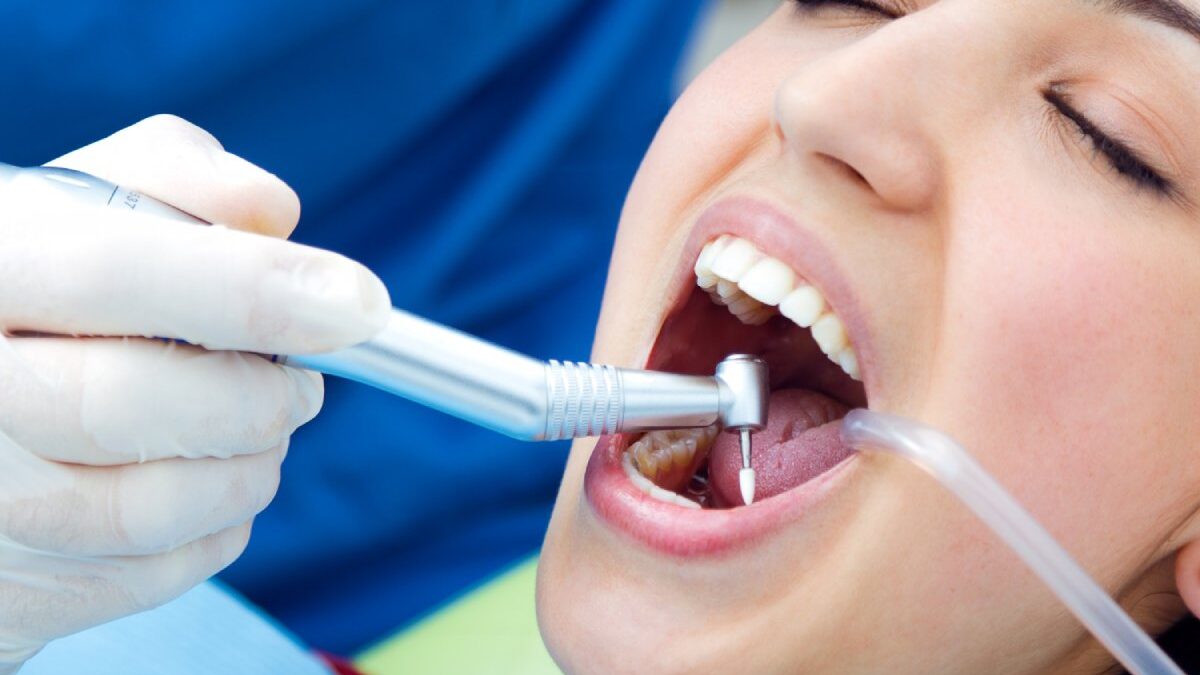
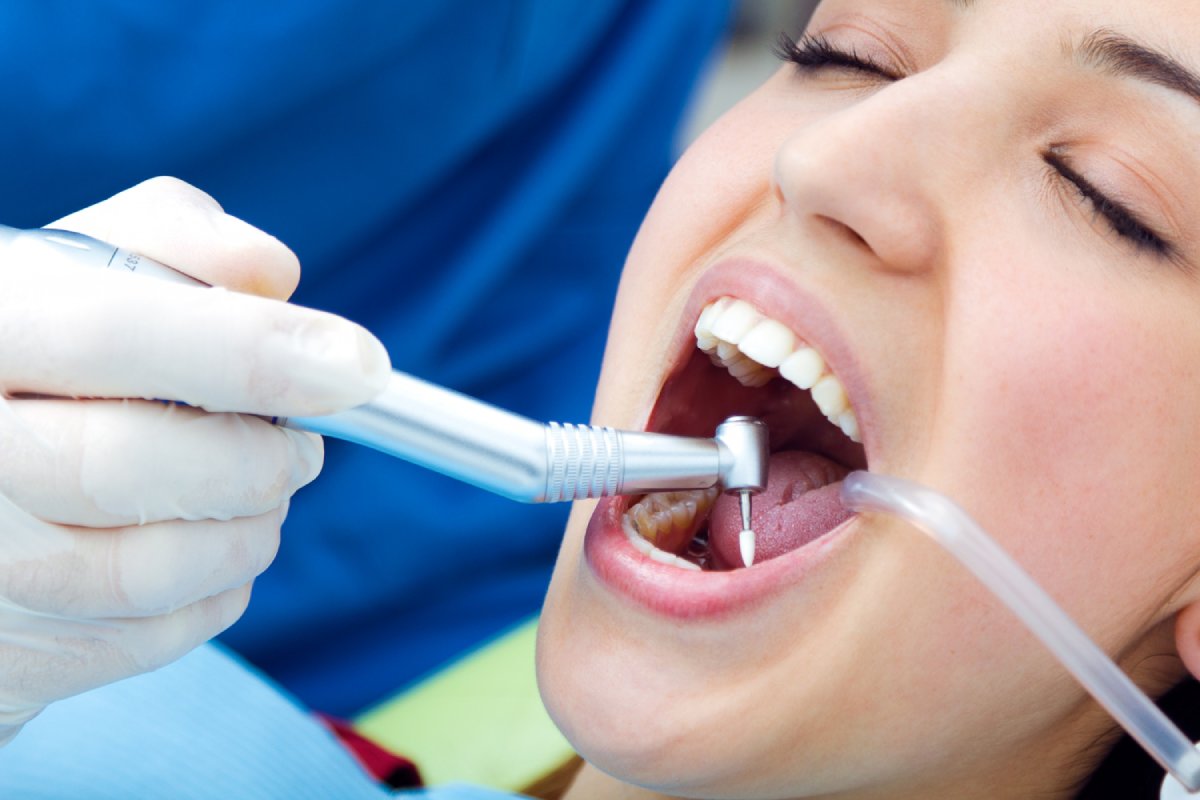
Most patients treat recovery as something that begins when they wake up from surgery. It doesn’t. The choices you make in the days prior to treatment – the last meal you eat, the work you miss, whether you get your meds ahead of time – determine the first days post-op. View it as pre-covery: a lead-up week to facilitate healing instead of hunting and gathering while you’re injured.
Implant dentistry isn’t a one-day affair. It’s a medical sequence with biological time frames, and the responsibility of the patient is to honor those time frames even if they don’t hurt.
Table of Contents
The First 72 Hours: What’s Actually Happening In Your Jaw
Days one through three show the highest biological activity. These are the days immediately following implant post placement when your body begins osseointegration. Swelling occurs as a result of active blood supply delivering nutrients, oxygen, and inflammatory cells to facilitate healing. If cells don’t move in, tissues die and rot, inviting infection.
This is the process of the jawbone fusing to the titanium post. But osseointegration isn’t your body’s default response, it’s simply your body accepting the implant post as a part of itself. It’s work. It requires an undisturbed surgical site, stable blood clots, and controlled inflammation to ensure that your body sends in just enough specialized cells to form secure bone.
Swelling reaches its peak 48 to 72 hours following surgery as your body sends in supplies for the process. We’ve all heard RICE for treating inflammation: rest, ice, compression, elevation. But we tend to over-ice. Cold makes blood vessels constrict, slowing essential blood flow to the surgical site. So, use cold compresses for the first 24 hours only. Then, on day two or three, your doctor will likely suggest soothing warm salt water rinses. Don’t rinse too forcefully or you’ll dislodge the stabilizing blood clots. Your goal is to clean gently, not to blow a barn door down.
Nutrition As A Clinical Tool
Eating soft food is not just a matter of comfort. Protein is essential for the formation of collagen that rebuilds the gum tissue surrounding the implant, and vitamin C helps produce collagen. Hence if your recovery diet consists mainly of ice cream and mashed potatoes, you are not doing yourself any favours.
Try high-protein sources that are not tough to chew: scrambled eggs, Greek yogurt, legume-containing blended soups, flaky fish. Introduce vitamin C rich foods – try to incorporate them into smoothies. Do not eat anything hard, crunchy, or chewy for a minimum of 7 days, longer in case of a pre- or post-implant bone graft. The grafted area needs additional time to consolidate, and excessive mechanical strain which frequently happens when eating food that is too hard can hamper this process.
Logistics And Financial Planning Before You Book
Recovery planning also means the practical side: who’s driving you home, how much time you’re taking off, where you’re having the work done. Many patients now travel internationally for restorative surgery, looking for a balance between clinical standards and cost. Those researching dental implants in Turkey, for example, should factor recovery time into the trip itself – flying back the day after surgery isn’t realistic, and clinics worth trusting will tell you that directly.
Whether you’re having work done close to home or abroad, understand the full timeline before you commit. If bone grafting is required, the overall process can span several months between preparation, implant placement, and final crown loading. Budget your time as carefully as you budget the cost.
Red Flags That Require Immediate Attention
There’s a difference between normal post-operative discomfort and signs that something has gone wrong. Normal healing involves swelling, mild bruising, and some soreness that reduces progressively over the first week. What doesn’t belong in that picture: persistent numbness that doesn’t resolve after a day or two, a foul taste that returns after rinsing, or pain that intensifies rather than fades past day four or five.
These are the warning signs of possible infection or, in more serious cases, early implant failure. Peri-implantitis – infection of the tissue around the implant – is the leading cause of implant loss after placement. Chlorhexidine rinse, often prescribed in the immediate post-op period, helps reduce bacterial load without disturbing the wound. Use it as directed, not as a substitute for calling your provider if something feels wrong.
Patients who grind their teeth should raise this with their clinician before surgery. Bruxism places mechanical stress on healing implants and can compromise osseointegration. A night guard may be part of your recovery plan, not something to consider later.
The Long View: When Recovery Actually Ends
Over a decade, about 90 – 95% of patients have healthy implants, according to the Journal of Clinical Medicine. But those numbers don’t hinge on the surgery itself; they depend on how you approach recovery and long-term care in the days, weeks, and months following your procedure. The end of treatment isn’t the end of recovery; that comes roughly three to six months later, when the crown that fits on top of the post is finally loaded.
That routine – whatever combination of interdental brushes, water flossers, and regular professional cleaning it involves – is what protects the result long-term. The surgery gets you the implant. Everything after that keeps it.