
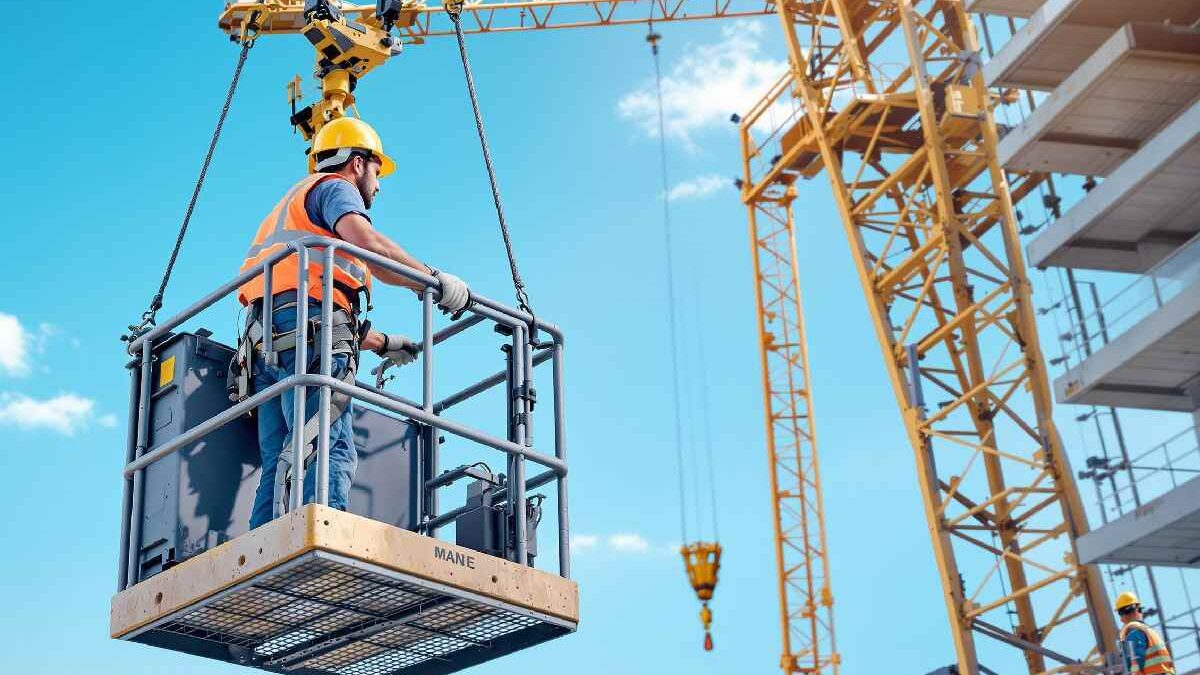
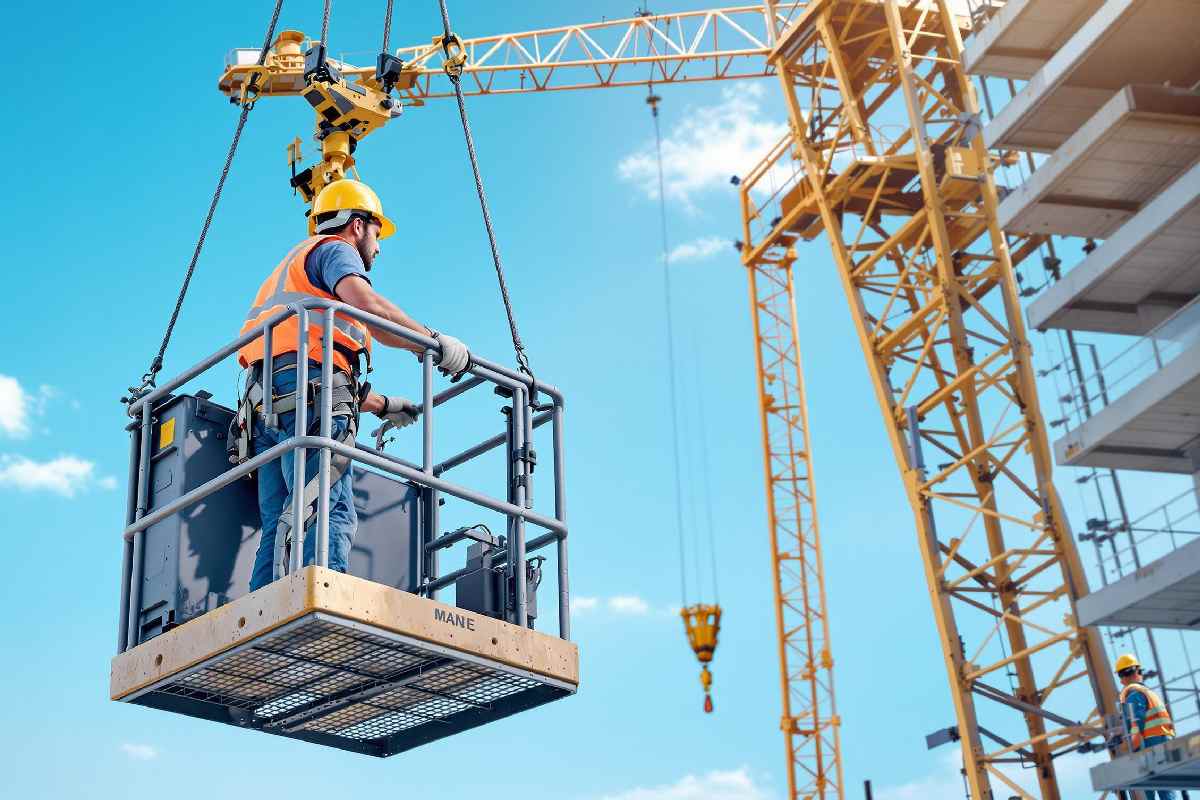
Working at height always comes with risk, which is why man lifts are built the way they are. A man lift basket provides a safer, more controlled way to reach elevated work areas, but only when it is used correctly. Accidents usually happen not because the equipment fails, but because preparation, communication, or basic safety steps are skipped.
Table of Contents
How a Man Lift Works and Why It Matters
The Core Parts of a Man Lift
A man lift is designed to raise workers vertically or horizontally so they can perform tasks above ground level. While designs vary, most man lifts share a few core components.
The base provides stability and often includes wheels, tracks, or outriggers to keep the unit balanced. The hydraulic system controls movement, allowing the lift to raise, lower, and extend smoothly. The arm, either vertical or extendable, determines how far and in what direction the lift can reach. At the top sits the man lift basket, which is the platform where workers stand.
Safety features are built into every system. These usually include emergency stop buttons, guardrails, non-slip flooring, and anchor points for harnesses. Knowing where these features are and how to use them can make a critical difference.
Different Types of Man Lifts
Not all man lifts are the same, and choosing the wrong one increases risk. Scissor lifts move straight up and are best for jobs that require vertical access and a stable, wide platform. Boom lifts offer more flexibility, allowing operators to reach over obstacles or work at angles.
Articulating boom lifts bend around structures, while telescopic lifts extend straight out to greater heights. Vertical lifts are compact and work well indoors or in tight spaces. Each type has specific limits and strengths, so matching the lift to the task is an important safety step.
How Man Lifts Compare to Other Access Options
Compared to scaffolding, man lifts are faster to deploy and easier to reposition. Scaffolding can be stable but often takes more time to set up and dismantle. Forklifts are not designed for lifting people unless paired with approved personnel baskets, and even then they lack many safety features.
Man lifts are purpose-built for working at height. When used properly, they provide better mobility, control, and protection than many alternatives.
Preparing Before You Ever Leave the Ground
Inspecting the Equipment
A full inspection should happen before every use, even if the lift was operated earlier that day. Start with a visual check. Look for leaks, damaged hydraulic lines, loose bolts, or cracked guardrails. Make sure the platform floor is clean and free of debris.
Test the controls to ensure smooth movement. Verify that emergency stop functions work and that alarms or warning lights activate as expected. Tires, batteries, and electrical systems should all be in good condition.
If something does not look or feel right, address the issue before operation or take the lift out of service.
Preparing the Worksite
The condition of the ground matters more than many people realize. A man lift basket depends on stable footing. Soft soil, slopes, or uneven surfaces can cause tipping if not addressed.
Clear the area of obstacles and set up exclusion zones to keep pedestrians and other workers at a safe distance. Watch for overhead hazards like power lines, beams, or tree branches. Weather should also be considered, as wind, rain, or ice can turn a routine task into a dangerous one.
A quick site walk-through with the crew helps identify risks early.
Respecting Load Limits
Every man lift has a clearly defined load capacity, and exceeding it is one of the fastest ways to cause an accident. Load limits include workers, tools, and materials combined.
Even when the total weight seems acceptable, how that weight is distributed matters. Crowding one side of the basket or overreaching can destabilize the lift. Always keep weight centered and carry only what is necessary.
Ignoring load limits puts everyone at risk.
Safe Operation Starts with Skill and Awareness
Smooth, Controlled Movement
Man lifts are designed for precision, not speed. Sudden starts, stops, or sharp movements can cause the basket to sway or shift unexpectedly.
Operators should move the lift slowly and deliberately, especially when elevated. Take time to become familiar with the controls before lifting off. Different models respond differently, and habits from one lift may not transfer to another.
Never lean out of the man lift basket or try to gain extra reach by standing on guardrails or tools. If you cannot reach the work safely, reposition the lift.
Staying Alert to Your Surroundings
Awareness is a constant requirement when working at height. Operators should watch for changes in terrain, nearby workers, and overhead hazards at all times.
When repositioning the lift, ensure the path is clear and that ground personnel are aware of movement. Spotters can be especially helpful in tight or busy environments.
Distractions should be avoided. Phones, unnecessary conversations, or multitasking can quickly lead to mistakes.
Communication Makes the Job Safer
Clear communication between the operator and ground crew reduces confusion and prevents accidents. Before starting, agree on signals or communication methods, especially in noisy environments.
Hand signals, radios, or verbal confirmations help ensure everyone knows what is happening. Regular check-ins during operation allow issues to be addressed before they escalate.
Good communication is not optional. It is a core safety tool.
Being Ready When Things Go Wrong
Emergency Preparedness
Even with proper planning, unexpected issues can occur. Operators and ground staff should know where emergency controls are located and how to use them.
This includes emergency descent systems, shut-off switches, and manual lowering mechanisms. Everyone involved should understand basic emergency procedures before the lift is used.
Practicing emergency responses during training builds confidence and reduces panic if something goes wrong.
Staying Calm Under Pressure
If a lift malfunctions or conditions change suddenly, staying calm is critical. Follow established procedures and communicate clearly with the team.
Avoid rushed decisions or unsafe shortcuts. In many cases, the safest option is to lower the basket slowly and reassess the situation from the ground.
Preparation and training allow calm responses when seconds matter.
Wrapping Up Safely After the Job
Securing the Man Lift
Once work is complete, fully lower the lift and ensure the basket is empty before powering down. Engage brakes, locks, or stabilizers as required by the manufacturer.
Store the lift in a designated area away from traffic and hazards. Leaving equipment unsecured creates unnecessary risk for others on the site.
Proper shutdown is just as important as proper startup.
Cleaning and Ongoing Maintenance
A clean man lift is a safer man lift. Remove dirt, grease, and debris from the basket and controls after use. This reduces slip hazards and helps prevent long-term damage.
Regular maintenance should follow manufacturer guidelines and be performed by qualified personnel. Addressing small issues early prevents breakdowns and unsafe conditions later.
Learning from Each Use
After the job, a brief review can improve future safety. Discuss what worked well and what could be improved. Near misses should be documented and addressed through training or process changes.
Safety improves when teams learn from experience.
Final Thoughts
Using a man lift basket safely comes down to preparation, awareness, and discipline. The equipment is designed to protect workers, but only when it is used as intended.
By understanding how man lifts work, inspecting equipment carefully, communicating clearly, and respecting limits, crews can reduce risk and work confidently at height. Safety is part of the job every time the lift leaves the ground.