
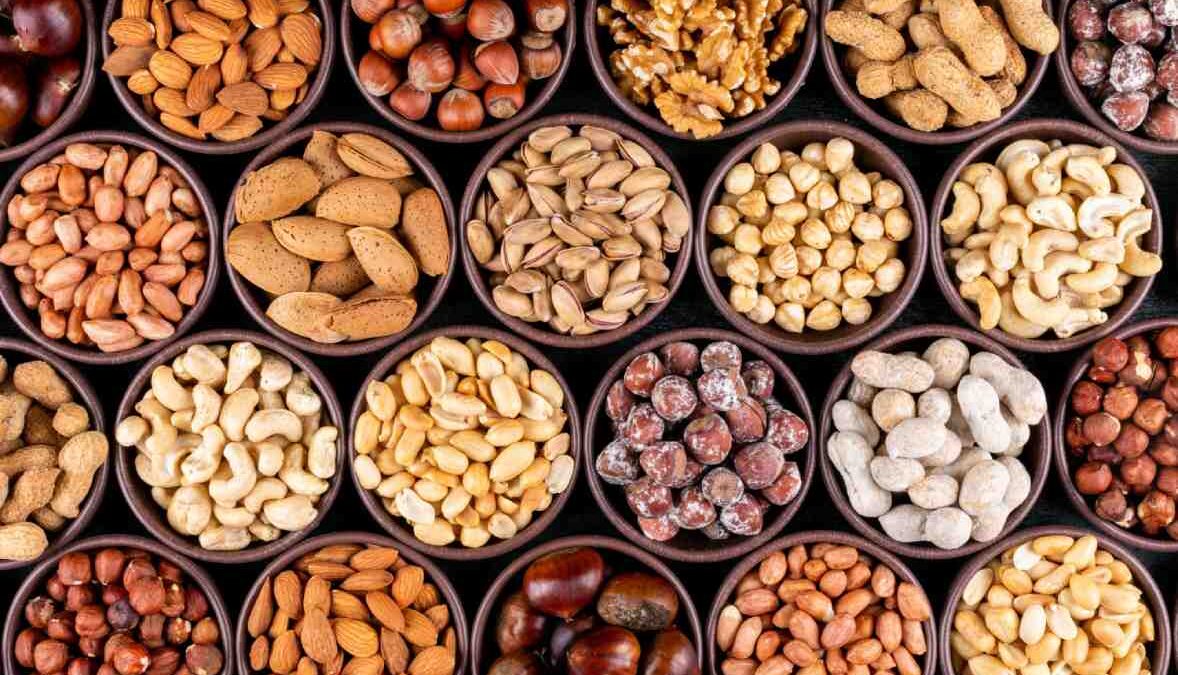
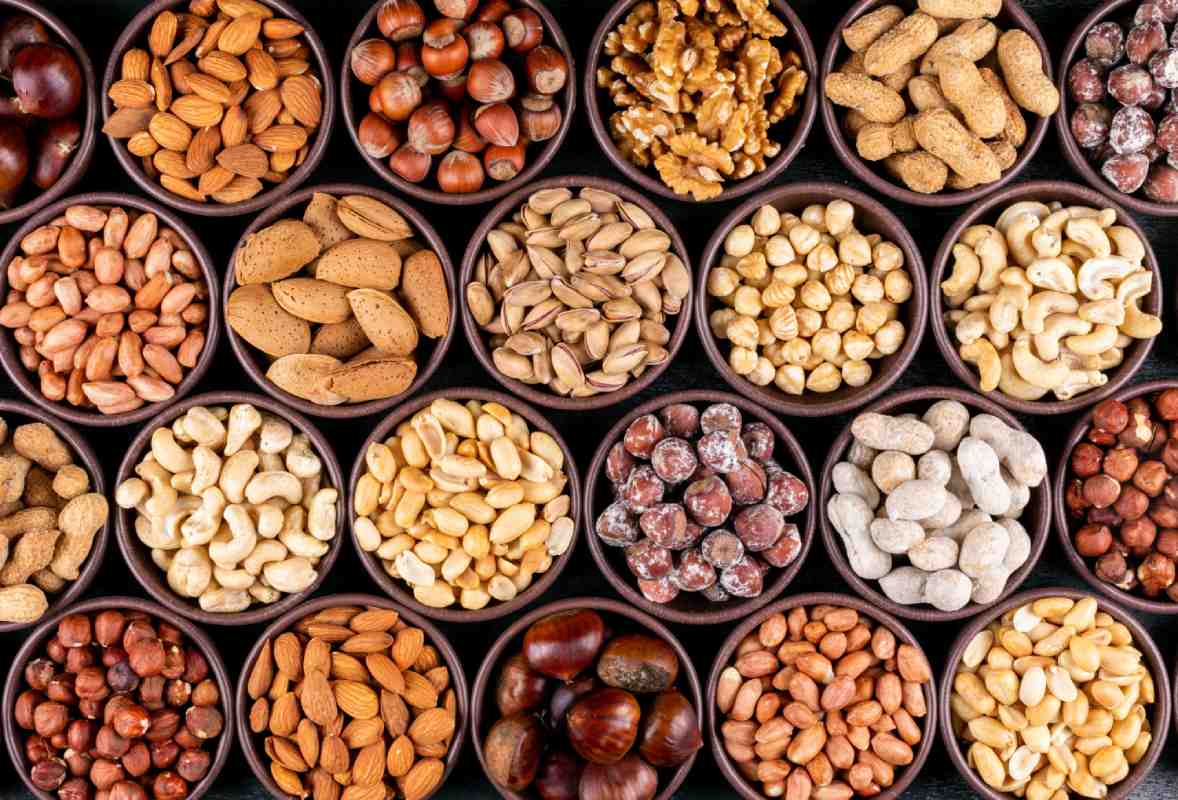
Nuts are a nutritious food group that can be part of many diets for better health. They are high in unsaturated fats, protein, fiber, and antioxidants. Studies show they support heart health, help control appetite, and do not lead to weight gain when eaten in moderation. This article corrects earlier claims for accuracy based on current research from sources like the Harvard T.H. Chan School of Public Health (linked to large studies in the New England Journal of Medicine and BMJ Nutrition, Prevention & Health).
The phrase “lose three times more weight than any other diet” is not supported by any Harvard study or recent research. Nuts are calorie-dense (about 160–180 kcal per 28 g portion), so weight loss requires overall calorie control. They help manage hunger and can support weight control as part of a balanced plan, but they are not a guaranteed fast-weight-loss method. For personalized advice, especially before an event or beach trip, consult a doctor.
Before trying any diet, review trusted guides such as this physician’s guide to weight loss pills and discuss your situation with a qualified healthcare professional.
Table of Contents
Characteristics of the Nut Diet
The nut diet includes nuts, vegetables, olive oil or canola oil, and avocados. About 40% of daily calories often come from healthy fats in nuts and oils. It follows the 3:1 rule common in plant-based diets: combine nutrient-dense foods for complete nutrition. It is recommended for 1–3 months max because it emphasizes whole foods but can be calorie-heavy if portions are large. It is not suitable for long-term use without medical supervision.
This approach aligns with heart-healthy eating patterns and is popular in many countries, including Chile and India.
Benefits of the Nut Diet (Backed by Research)
- Heart health: Nuts provide 85% unsaturated fatty acids (including omega-3 and omega-9), which help lower LDL cholesterol, raise HDL, reduce cholesterol absorption in the gut, and lower inflammation. They support better arterial health and can reduce risk of plaque buildup.
- Appetite control: The combination of protein, fiber, healthy fats, and minerals in nuts promotes satiety. They slow digestion and help regulate hormones like ghrelin (hunger) and PYY (fullness).
- Antioxidant and anti-aging support: Vitamin E and polyphenols neutralize free radicals and reduce lipid oxidation, which may slow chronic disease progression.
- Other benefits: Regular nut consumption is linked to lower risk of certain cancers (e.g., prostate) due to selenium and other compounds. It also supports brain health and overall longevity when part of a varied diet.
Recent large-scale studies (including those from the Harvard-affiliated groups) confirm that higher nut intake is associated with long-term weight maintenance or reduction in body fat, without causing weight gain.
Who Can Follow the Nut Diet?
It is suitable for adults over 18 who enjoy nuts (almonds, walnuts, hazelnuts, pistachios, etc.), avocados, and olive or canola oil. It works well for people who want to include more plant-based healthy fats.
Important note: This is general information. Pregnant women, people with diabetes, or those with specific health conditions should follow personalized plans and avoid or limit nuts only under medical advice (due to natural sugars, calorie content, or medication interactions). Always consult a doctor or registered dietitian before starting.
Heart-Healthy Fats from Nuts
Nuts are rich in heart-healthy fats. According to the Organization of Consumers and Users (OCU) and USDA data, they contain about 85% unsaturated fatty acids (omega-3, omega-9, and sterols). These support cholesterol management and reduce cardiovascular risk.
Top Nuts for Weight Management (28 g Portions)
Studies (including meta-analyses) show these three nuts are particularly useful for satiety and body composition support. Aim for a small handful (1–2 tablespoons) daily as a healthy fat source.
Almonds (28 g / 1 oz):
- Calories: 160
- Fat: 14 g
- Protein: 6 g
- Carbohydrates: 6 g
- Fibre: 3.5 g
Lower BMI and waist circumference linked in regular users.
Walnuts (28 g / 1 oz):
- Calories: 180
- Fat: 18 g
- Protein: 4 g
- Carbohydrates: 4 g
- Fibre: 2 g
Strong appetite-control effect via hormones.
Hazelnuts (28 g / 1 oz):
- Calories: 170
- Fat: 17 g
- Protein: 4 g
- Carbohydrates: 4 g
- Fibre: 3 g
Slow digestion supports steady energy and gut health.
Other nuts like pistachios and pecans also fit well and can replace higher-calorie snacks.
Recommendations for Success
- Pair nuts with vegetables and lean proteins for a complete meal (e.g., beans, tomatoes, potato, olive oil, cheese, and fruit as in a sample daily plan).
- Add regular exercise — especially muscle-strengthening activities — to support fat loss.
- Drink at least 2 litres of water daily to stay hydrated and aid digestion.
- Do not skip meals — this maintains metabolism.
- Choose raw or dry-roasted nuts (no added oil or sugar). One healthy serving equals about 28 g or 1.5 oz whole nuts. The American Heart Association recommends up to 4 servings per week.
For extra variety and nutrients, explore these healthy vegetables and consider combining with other approaches such as Paleo diet while working out for balanced nutrition.
Sample Daily Nut Diet Plan (3 Days)
Breakfast:
- Unsweetened herbal tea or coffee
- 1 banana
- 10–15 almonds (15 g)
Lunch:
-
1 cup green beans
- 1 medium tomato
- 1 small potato
- 1 dessert spoon olive oil
- 50 g lean cheese
- 1 large plum
Dinner: Similar to lunch or a simple nut-based salad with added vegetables.
Adjust portions to your calorie needs (typically 500–750 kcal from nuts per day max) and track with an app if needed.
How Nuts Support Heart Health
Research shows nuts can lower LDL (“bad”) cholesterol and triglycerides, improve artery lining, reduce inflammation markers linked to heart disease, and help prevent blood clots. This lowers risk of heart attacks, strokes, and related complications.
Final Verdict
Nuts are not a magic fast-weight-loss solution — they are calorie-dense and work best in moderation as part of an overall calorie-controlled, active lifestyle. The nut diet offers real benefits for heart health, appetite control, and nutrient intake. It can help you feel slimmer during a short trip or event when combined with water intake and light exercise.
Consistency, balanced portions, and medical guidance are key. Many people find nuts an easy, delicious way to improve daily nutrition. If you follow this plan and track results, you’ll see the value of making nuts a regular part of a healthy diet.