
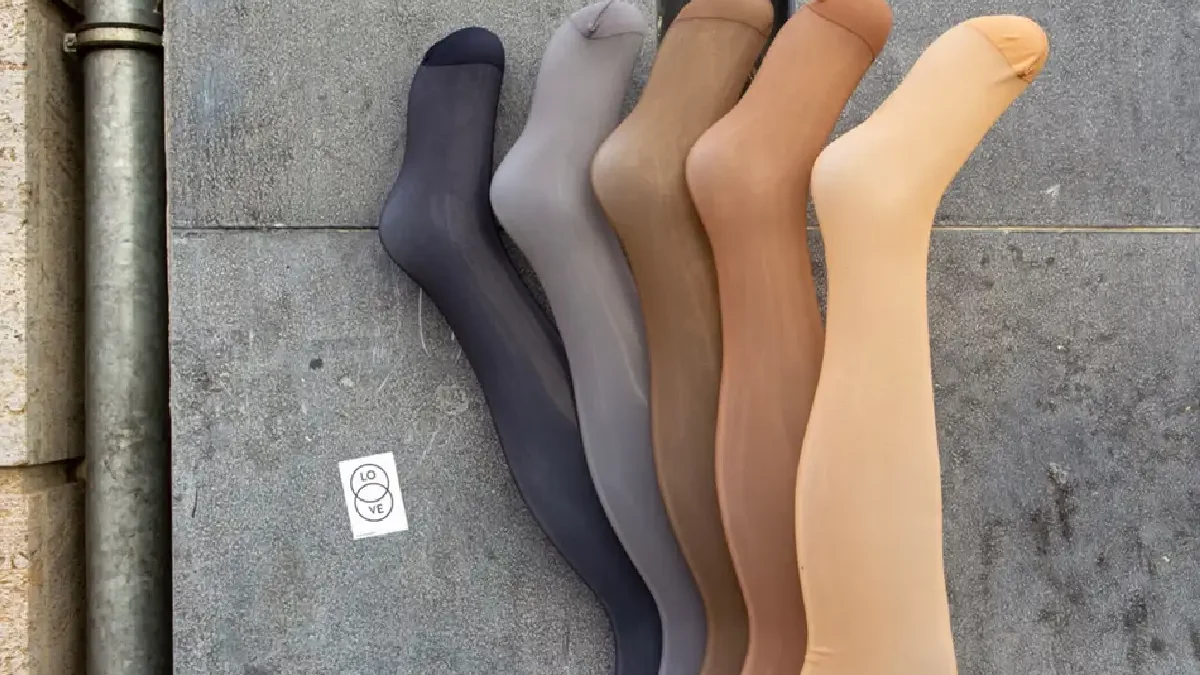
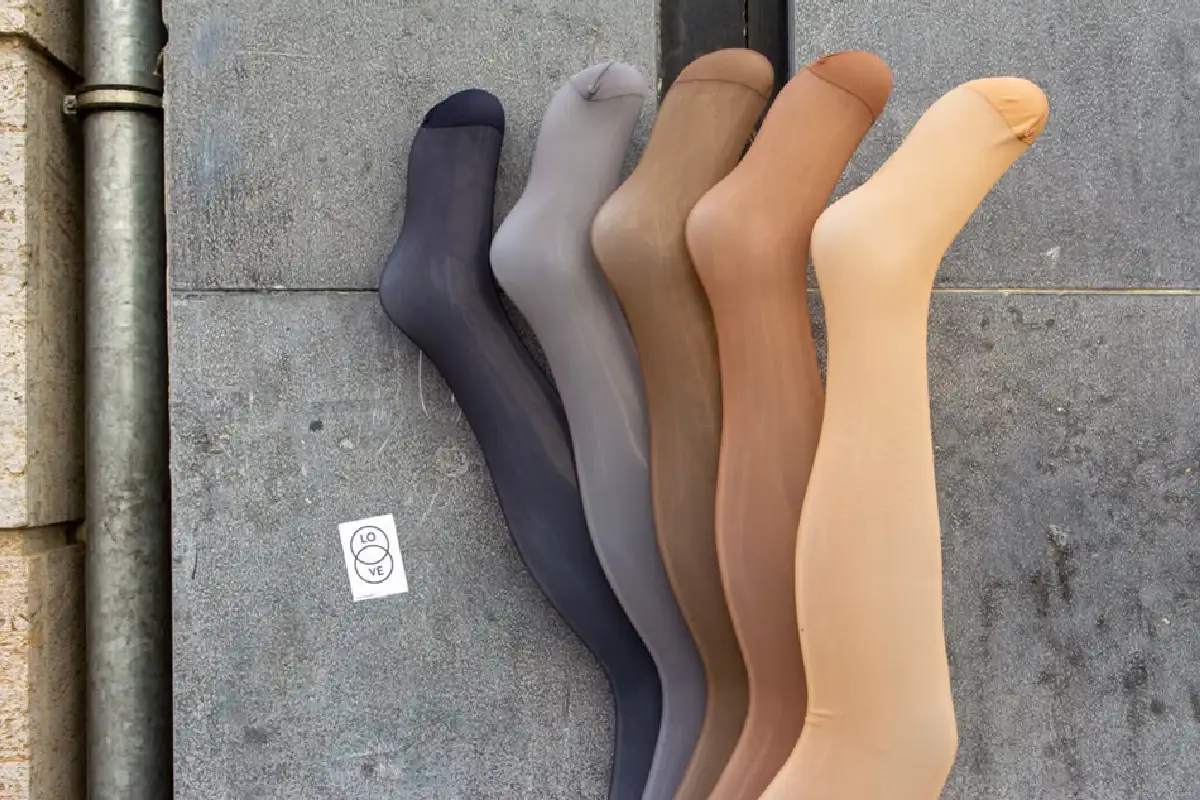
Discomfort in the legs may not always be considered a serious medical concern, but it should be treated as a warning sign. They can often develop gradually after a staff member sits at a desk for hours, or a stinging pain may be felt by someone who spends long shifts standing. At the end of the day, the result is a puffy ankle, and shoes can become tighter than they were in the morning.
Pregnancy can also affect the legs, where expecting moms may find it difficult to exercise. Aging adults who have arthritis may also feel tingling in their lower limbs, and although rest can provide them with temporary relief, this might not be enough for them because they need active support throughout the day. Wearable options like compression socks can be more practical during these times.
Graduated stockings are created to apply pressure around the legs. They squeeze the ankles gently for better circulation so there’s reduced swelling in one’s feet. See more info about compression stocking when you click here.
Table of Contents
Don’t Settle with Everyday Fatigue through these Socks
Various routines can place strain on one’s lower extremities, and many workers, like healthcare workers, may spend most of their shift on their feet. Office personnel may face a different challenge because they tend to remain seated for longer. A gentle compression level may provide added comfort for those who are getting a heavy feeling in their feet.
Expectant mothers may also notice a lot of swelling as the body continues to accommodate a growing baby. People who have varicose veins may require firmer compression socks that were recommended by a qualified provider.
How Does Graduated Pressure Help the Legs?
Blood that’s traveling from the lower body should be able to move upward against gravity, but circulation can be challenging for someone who has been sitting for hours since the fluids can collect around the feet.
Graduated hosiery can apply a strong pressure near the ankle before it becomes less firm so the blood can climb higher, and the design is often made to encourage movement instead of just allowing the fluids to remain concentrated near the feet. This is a kind of controlled support that can ease one’s fatigue and help the legs feel more comfortable during daily activities.
Why Accurate Measurements Make a Difference?
It’s important to measure the ankle and length of the leg to make sure that the compression socks will have the right fit. Many people would want knee-high socks for better support in their lower leg, while thigh-high designs are often made to cover a larger area. Basing on clothing sizes may not be a good idea because even if people wear similar footwear, they can have various calf proportions.
A professional fitter can take their measurements so everything will be more accurate. The providers of compression therapy supplies may offer everyday selections so wearers can provide an option that’s well-suited for a particular routine that they do every day.
Selecting the material is also important, and many customers might want a lighter texture so they can wear these compression socks each day, while others may need fabric that can remain secure when they play outside. Fortunately, a fitting can give individuals the opportunity to discuss their preferences instead of just basing their choices on guesswork when selecting these products.
How to Make the Socks Part of the Daily Routine?
Close-fitting stockings can be very challenging to put on at first and wearing them for hours can be difficult for people who weren’t used to them. Fortunately, one can start with them for a few minutes, and as long as the foot isn’t swelling, the socks can gradually be smoothed over the leg.
Pulling directly from the top, like what many people do with regular socks, can overstretch the garment. It’s important for the pressure to be distributed evenly, and this can be done by gently rolling the socks towards the upper limbs. Application aids (https://www.instructables.com/How-to-Use-a-Sock-Aid/) may be available for those who have limited flexibility, and some trained staff can help the wearer if they find this to be too challenging.
Know When to Pay Attention to Warning Signs

Some kind of snugness can be expected because the socks are expected to maintain contact with the legs but know that these compression stockings should never result in sharp pain. If one experiences numbness with them along with deep marks, it might indicate an issue, and one should consult with the professionals for more information.
Problems can start as well when the item is the wrong size, and it’s important to remove the socks immediately. Don’t continue wearing something that causes discomfort, and instead, those who have persistent wounds should speak to a qualified practitioner before they use the compression stockings. Sudden swelling will also require a thorough assessment, and these are the cases that can’t be addressed by supportive garments alone.